
ir reflective glass
Understanding Indicating Micrometers Precision Measurement Tools In the realm of precision measurement, few instruments are as revered as the indicating micrometer. This essential tool plays a crucial role in fields such as engineering, manufacturing, and materials science, where accurate measurements can significantly influence the quality of products and outcomes of experiments. In this article, we will delve into what indicating micrometers are, their working principles, applications, and advantages, highlighting their importance in today's precision-driven world. What is an Indicating Micrometer? An indicating micrometer is a device used to measure small distances with high precision. Unlike traditional micrometers that typically provide measurements using a scale, indicating micrometers feature a dial or digital display, which shows the measurement with greater accuracy and ease. This design allows users to quickly read and record measurements, making them an indispensable tool in various applications. Working Principles The fundamental working principle of an indicating micrometer involves a calibrated screw mechanism, known as the micrometer screw. When the measuring spindle (the part that comes into contact with the object being measured) is turned, it moves toward or away from the anvil (the fixed reference point). The distance the spindle travels is proportional to the rotation of the screw, allowing for precise measurements. The indication system is where these devices truly shine. The most common type is the mechanical dial indicator, which translates the movement of the spindle into a dial reading. As the spindle moves, it rotates a gear mechanism attached to a needle that sweeps across a graduated scale on the dial face. This enables users to easily read measurements with a high degree of accuracy, often down to the thousandths of an inch or hundredths of a millimeter. With the advancement of technology, digital indicating micrometers have become increasingly popular . Instead of a mechanical display, they use electronic sensors to provide a digital readout, which can be even easier to interpret and often include features like data recording and connectivity to computers for further analysis. Applications of Indicating Micrometers indicating micrometer Indicating micrometers are employed in numerous fields. In manufacturing, they are crucial for quality control, ensuring that components are produced within specified tolerances. The automotive and aerospace industries rely heavily on these precision tools for measuring engine parts, bearing tolerances, and other critical dimensions. In the field of engineering, indicating micrometers are utilized during the prototyping phase to measure the dimensions of prototypes, ensuring they meet design specifications. They also find applications in laboratories, particularly in material testing, where precise measurements of specimen dimensions are needed to obtain accurate data. Additionally, indicating micrometers are valuable in educational settings, where they are used to teach students the fundamentals of measurement and the importance of precision in engineering and design. Advantages of Indicating Micrometers One of the most significant advantages of indicating micrometers is their accuracy. They provide measurements that are more precise than many other measuring tools, which is critical in high-stakes environments where even minor errors can lead to costly mistakes. Another advantage is the ease of reading measurements. The dial or digital display allows for quick interpretation, reducing the chances of human error associated with reading scales. Furthermore, the digital versions often come equipped with additional features such as zeroing functions, measurement hold, and even data output capabilities, enhancing their usability. Lastly, indicating micrometers are designed for durability and longevity. Most models are constructed from robust materials that withstand wear and tear, providing reliable performance over time. Conclusion Indicating micrometers are invaluable tools in the arsenal of precision measurement instruments. Their ability to deliver accurate readings quickly and efficiently makes them a staple in various industries. As technology continues to advance, we can expect to see further improvements in the design and functionality of these essential tools, cementing their role in the future of precision measurement. Whether you are a seasoned engineer, a quality control specialist, or a student, understanding and utilizing an indicating micrometer will undoubtedly enhance your measurement capabilities and contribute to the pursuit of excellence in your work.
about
ir reflective glass
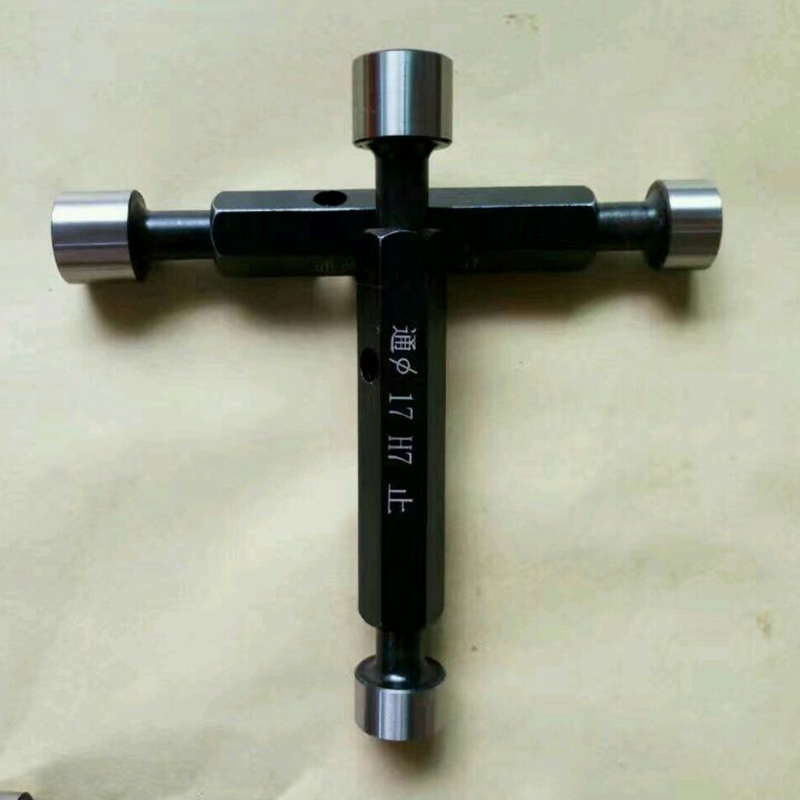
Understanding the Importance of Pin Gauge Boxes in Precision Measurement In the world of precision engineering, the accuracy of measurements is paramount. Engineers, machinists, and quality control professionals rely on various tools to ensure that components meet stringent specifications. Among these tools, pin gauge boxes are indispensable aids that facilitate accurate and efficient measurement. This article will explore the design, functionality, and applications of pin gauge boxes, emphasizing their critical role in maintaining quality standards. A pin gauge box typically contains a set of cylindrical pins of varying diameters, designed to check the dimensions of holes, slots, and other features in manufactured components. These pins are precision-crafted to specific tolerances, making them ideal for providing reliable measurements. The pins are housed in a compact box that usually features compartments or individual slots for each pin, ensuring they are organized and protected from damage. One of the primary advantages of using a pin gauge box is its simplicity. Unlike some other measuring tools that rely on complex setups or electronic readings, pin gauges provide a straightforward method for measurement. By inserting a pin into a hole, an operator can quickly determine whether the hole is too tight, too loose, or within specification. This ease of use not only improves efficiency on the shop floor but also reduces the chance of measurement errors that can arise from misinterpretation of digital readouts or complex measuring instruments. Pin gauge boxes come in various sizes and configurations to cater to different applications. Standard pin gauge sets typically incorporate a range of pin diameters, allowing users to measure a wide variety of hole sizes. Additionally, specially designed pin gauge boxes may include tapered pins for checking tolerance in tapered holes or pins with specific features for assessing unique geometries . The versatility of pin gauge boxes makes them suitable for diverse industries, including automotive, aerospace, and manufacturing. pin gauge box In quality control processes, pin gauge boxes play a crucial role in ensuring the products meet required specifications. For instance, during a quality inspection, operators can use the pins to quickly verify that each hole in a manufactured part meets its specified dimensions. This process not only helps in identifying non-compliant parts early in the production cycle but also supports maintenance of ISO standards and other quality certifications. Moreover, pin gauges can also be used for calibration purposes. Measuring equipment, such as CNC machines and micrometers, must be regularly calibrated to maintain their accuracy. By using pin gauges as reference standards, operators can calibrate their tools to ensure precise measurements are consistently obtained. This function of pin gauge boxes underscores their role in not just measuring parts but also in improving the overall reliability of measuring instruments used in production. Another significant benefit of pin gauge boxes is their contribution to cost savings in the manufacturing process. By quickly assessing whether parts are within specification, manufacturers can minimize the time spent on rework or scrap due to nonconforming parts. Furthermore, the portability and durability of pin gauge boxes make them suitable for use in various environments, from the workshop floor to remote job sites, enhancing productivity wherever they are employed. In conclusion, pin gauge boxes represent a fundamental tool in the toolkit of precision measurement. Their ease of use, versatility, and essential role in quality control cement their place as a vital resource in various manufacturing processes. As industries continue to prioritize quality and precision, the significance of tools like pin gauge boxes will only increase, helping to ensure that products not only meet but exceed the expectations of customers and regulatory standards alike. Understanding and utilizing these tools effectively is crucial for those working in precision-driven fields, ensuring accuracy and reliability in every measurement.
-

High quality industrial productsagement

High quality industrial products
View Details -

Meet the diverse needs of customers

Meet the diverse needs of customers
View Details -

Strict quality control

Strict quality control
View Details -

Top raw materials

Top raw materials
View Details -

Trusted supplier

Trusted supplier
View Details
Our application

news and information
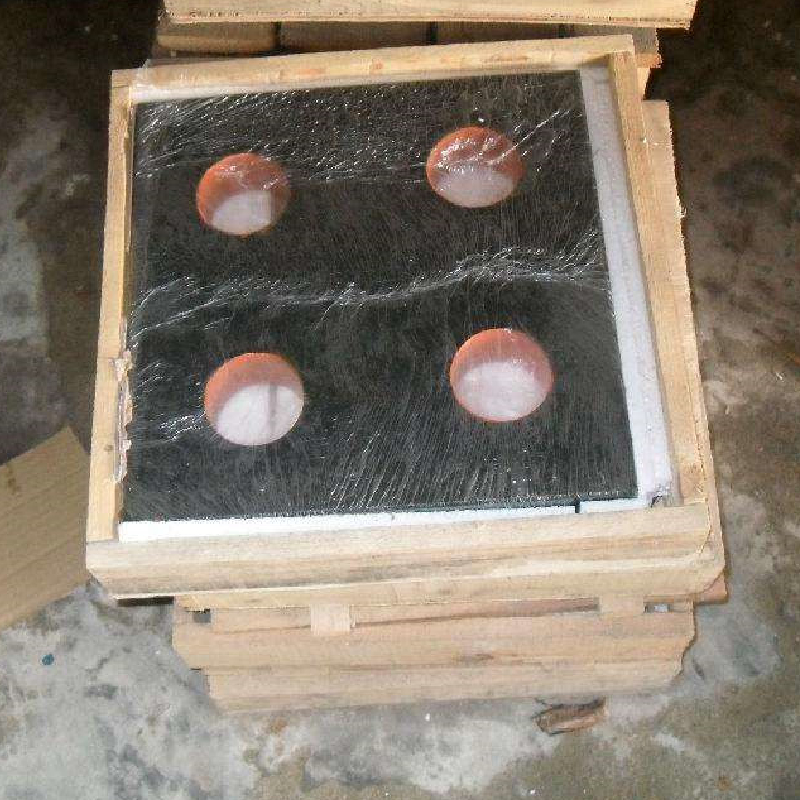
Versatile Welding Table for Efficient Workbench Solutions
The Importance of Welding Tables in Workshop Design Welding is an essential skill in various industr

Valvola a sfera da 36 pollici per applicazioni industriali e acquedotti
La valvola a ghigliottina da 36 pollici è un componente fondamentale in molti sistemi industriali e

Ventil s klapkou 50 mm pro optimální regulaci průtoku vody
Klapka s průměrem 50 mm Klíčový prvek v regulaci toku Klapky jsou nezbytnou součástí mnoha průmyslov
 English